Summer skincare in the UAE
Laser treatments during a Dubai summer, answered honestly
Short version: yes, you can book laser sessions in July or August. The catch is that the Dubai sun does not forgive skipped SPF. Get the aftercare right and results are the same as any other season.

Can you really do laser in July and August?
Modern laser platforms used in reputable clinics work on skin regardless of the calendar. Devices like Nd:YAG, diode lasers, and fractional non-ablative systems are designed to target hair follicles, pigment, or dermal collagen without depending on the outside temperature. The reason older advice said “wait until winter” was mostly about tan levels and post-treatment sun exposure, not the machine itself.
In Dubai the practical question is not “is it summer” but “how tanned is your skin today, and how disciplined will you be with SPF afterwards.” Many residents live in air-conditioned buildings and cars for most of the day, which actually makes summer a reasonable window for treatments if beach weekends are on pause.
A qualified aesthetic clinic in Dubai will assess your current pigmentation with a Fitzpatrick scale check before choosing settings. If you have a fresh tan from a weekend at Kite Beach, they will usually push the session back by two to three weeks rather than risk burns or hypopigmentation.
Why SPF is the single most important step
After a laser session, the treated skin is more photosensitive. UV exposure on newly treated skin can trigger post-inflammatory hyperpigmentation, especially on Middle Eastern and South Asian skin tones, which are naturally more melanin-rich. That is the main reason clinics repeat the SPF warning until it feels excessive.
In practical Dubai terms: the UV index regularly sits at 10 or 11 between May and September, well inside the “extreme” category on the WHO ultraviolet index scale. That is not a number you can outrun with a hat.
- Use a broad-spectrum sunscreen with SPF 50 or higher, not SPF 30.
- Reapply every two hours when you are outdoors, even for short errands.
- Do not skip cloudy or dusty days, UVA still penetrates.
- Pair sunscreen with a wide-brim hat and UV-blocking sunglasses for the face.
- Give freshly treated areas extra shade for at least two weeks post-session.
Skipping SPF after a laser session is the single most common way people waste their money. The treatment can work perfectly, and then two weeks of sun exposure creates patchy pigmentation that undoes the whole result. In some cases it takes months of additional treatment to correct.
What about laser hair removal on the body?
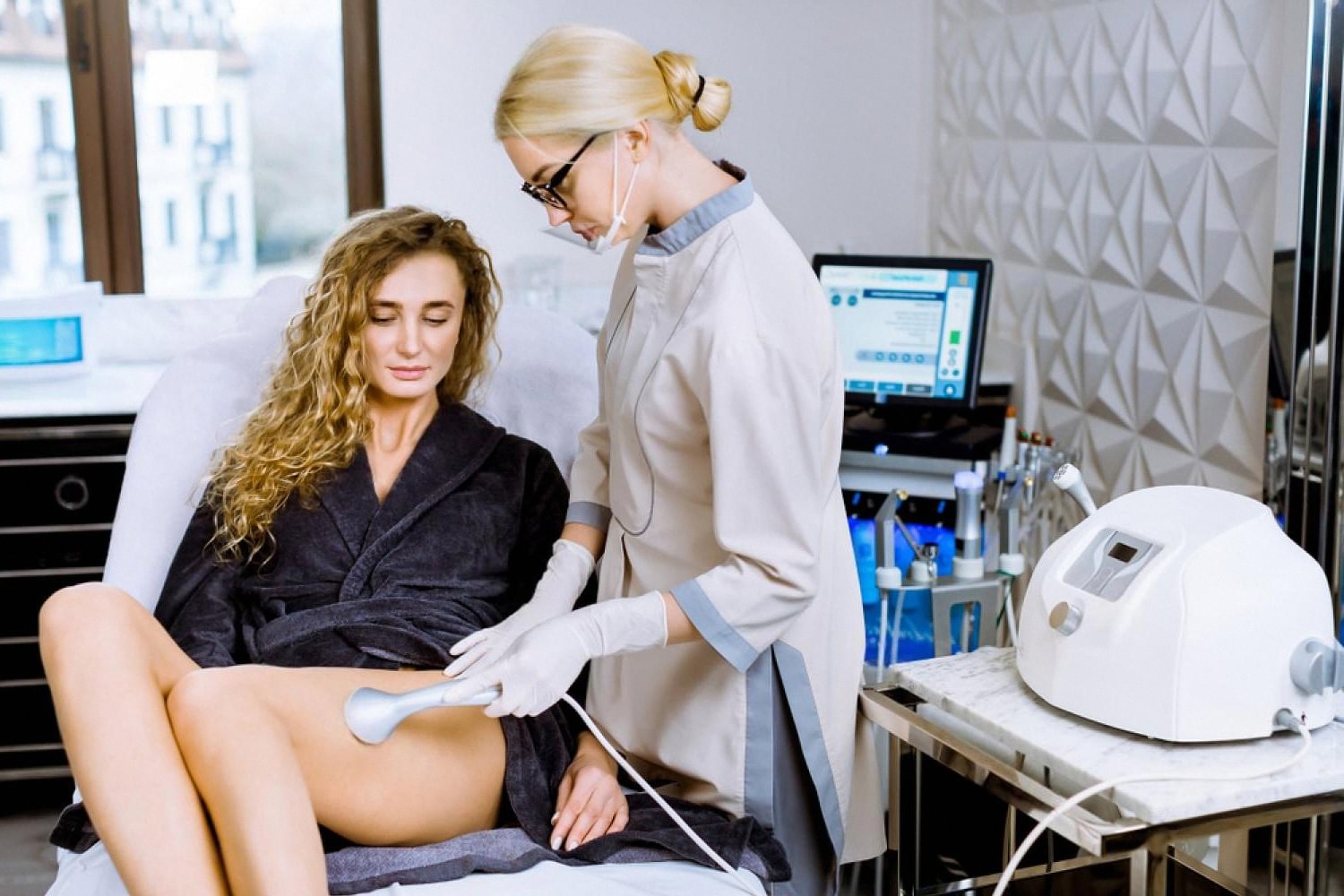
Hair removal sessions on legs, arms, underarms, or the bikini area are one of the most popular summer requests in Dubai clinics, and for good reason: nobody wants to shave every other day in 45 degree heat. The rules are similar to facial work but slightly more forgiving because body skin tolerates broader treatment windows.
Still, SPF matters here too. Freshly lasered legs at the pool the next day will react. If a treated area will be visible under swimwear or short sleeves, cover it with clothing for the first 48 hours, then move to SPF 50 afterwards. A light, fragrance-free moisturiser applied twice a day also reduces the mild redness or bumpy “chicken skin” texture that some people get in the first week.
Five rules to follow for every summer session
- Arrive with clean, product-free skin. No makeup, no deodorant on the treatment area, no self-tanner residue.
- Avoid sun for 7 to 10 days before your session. A tan changes how the laser reads your skin and raises burn risk.
- Wear SPF 50+ daily, even indoors near windows. Glass filters UVB but lets UVA through.
- Keep the treated area moisturised. Hydrated skin heals faster and feels less irritated.
- Skip hot showers, saunas, and intense workouts for 24 to 48 hours. Heat plus fresh laser equals more redness.
Choosing the right clinic and technology
Not every laser is suitable for every skin tone. In Dubai, where skin types range across the whole Fitzpatrick spectrum, the clinic should be able to explain which device they are using and why it fits your skin. Nd:YAG wavelengths, for example, are generally safer for darker skin tones because they penetrate deeper and bypass surface melanin.
Ask three questions before you commit: what device is being used, what settings for your specific skin type, and what the aftercare kit includes. If the answer is vague, keep looking. A good clinic will also do a patch test on your first visit rather than blast a full area at maximum settings.
Frequently asked questions
Is it safe to do laser hair removal in summer in Dubai?
Yes, laser hair removal is safe in summer as long as you have not tanned recently and you commit to SPF 50 aftercare. Body areas covered by clothing during the day are especially easy to schedule in the hot months.
The key restriction is fresh tan. If you have spent a weekend at the beach or by the pool without heavy sun protection, most clinics will delay the session by two to three weeks.
What SPF should I use after a laser treatment?
Use a broad-spectrum sunscreen with SPF 50 or higher. SPF 30 is not enough for post-laser skin in Dubai’s UV conditions, especially between May and September when the UV index sits in the extreme range almost daily.
Reapply every two hours outdoors and every four hours indoors near windows or during long car journeys.
How long should I wait after sun exposure before booking a session?
Most practitioners recommend waiting two to four weeks after significant sun exposure or any visible tan before laser work, particularly on the face. This lets your baseline pigmentation return so the laser can be calibrated correctly.
Can I go swimming after a laser facial?
Skip pools and the sea for at least 48 hours after a facial laser session. Chlorine and salt water can irritate freshly treated skin, and the direct sun at outdoor pools is the bigger risk.
After the first two days you can swim, but rinse off immediately and reapply sunscreen if you plan to stay outdoors.
Will results be weaker if I do laser in summer?
Results are the same as any other season, provided you follow SPF and aftercare rules. Weak results almost always come down to skipped sunscreen, missed sessions, or wrong device settings, not the calendar.
Do I need to moisturise more after laser treatments?
Yes. A gentle, fragrance-free moisturiser applied twice a day reduces redness, calms irritation, and helps the skin recover faster. For body laser hair removal, a good lotion also softens the texture of the treated area during the shedding phase.
One of the best modern examples of literary biography, with its artfully chosen detail and narrative arc combining with a close reading of major texts.